






When a pump starts underperforming or fails altogether, the default reaction is often to replace it. In many cases, however, that is not the most cost-effective or practical solution.
Capital budgets are tight across many facilities, and large equipment purchases can be difficult to justify. Many teams are being asked to do more with the assets they already have, and improving performance does not always require major capital spending.
Across industries like food and beverage, dairy, and general manufacturing, pumps, seals, and rotating equipment are often replaced before their full value is realized. With the right approach, much of that equipment can be restored, upgraded, and returned to service with performance that meets or exceeds original expectations.
Maximizing asset value is not only about extending equipment life. It also involves improving performance, reducing downtime, and lowering the total cost of ownership.
Equipment rarely fails without warning. In most cases, performance declines gradually due to wear, improper application, or gaps in maintenance.
Some of the most common areas include:
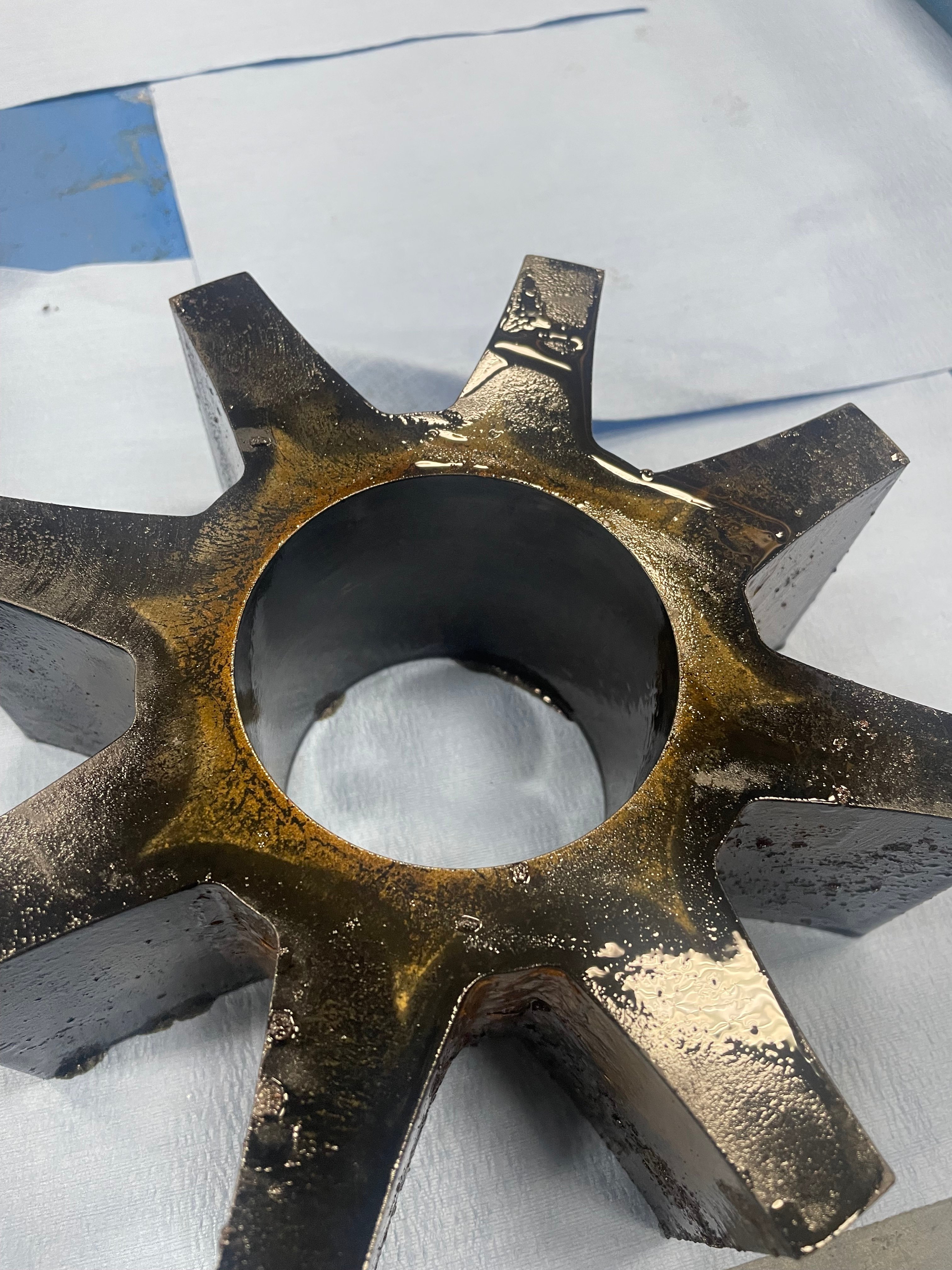
Impeller Wear
As impellers wear, internal clearances increase and efficiency decreases. This can result in reduced flow, higher energy consumption, and inconsistent system performance. In sanitary applications, worn impellers may also impact hygiene standards.
Mechanical Seal Condition
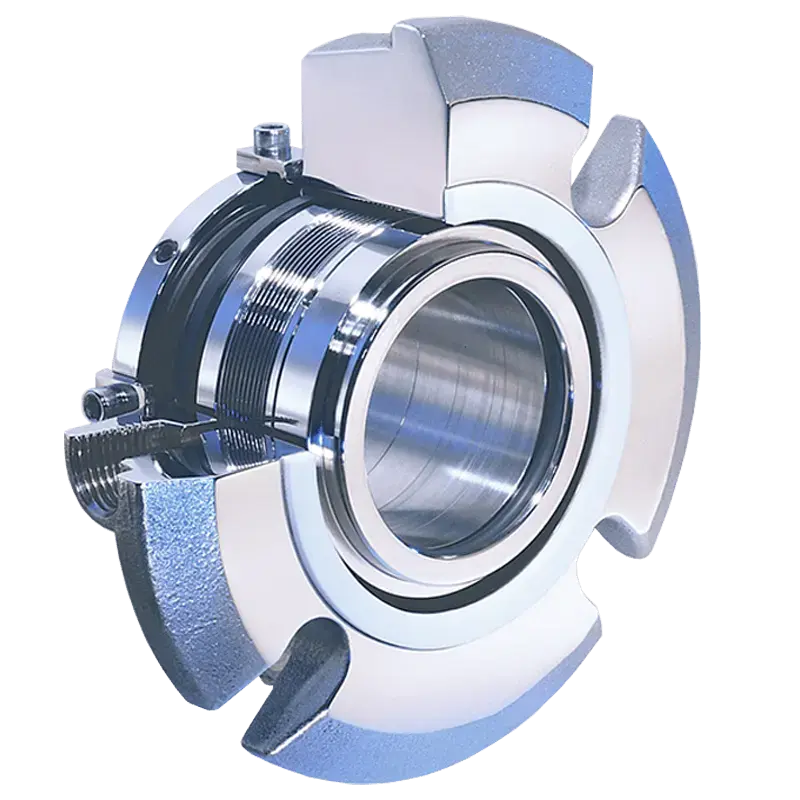
Seal failures are often treated as isolated events, but they are typically symptoms of larger issues. Heat, improper flush plans, or misalignment can significantly shorten seal life. Identifying and correcting the root cause can improve long-term reliability.
Bearing Life
Bearings are sensitive to alignment, load, and lubrication. Improper installation or operating conditions can lead to premature failure, even in relatively new equipment.
Surface Finish in Sanitary Applications
Surface finish plays a critical role in hygienic systems. Over time, wear, pitting, or improper repair methods can create areas where bacteria can accumulate. Restoring the appropriate finish is essential for both performance and compliance.
The assumption that new equipment will automatically deliver better performance is not always accurate.
Many pumps, mixers, and mechanical seals can be refurbished at a significantly lower cost than replacement. For facilities working within tight capital budgets, refurbishment offers a practical way to improve reliability and performance without a large upfront investment.
Refurbishment also provides an opportunity to address the underlying causes of failure rather than simply replacing components.
This process may include:
With the right approach, refurbished equipment can achieve improved efficiency and longer service life compared to its original configuration.

Preventative maintenance helps extend equipment life by identifying and addressing issues early. Routine inspections, alignments, and performance evaluations reduce the likelihood of unexpected failures.
Proper sizing is equally important. Equipment that is not matched to the application will experience unnecessary wear and reduced efficiency. Ensuring that the pump aligns with process conditions can significantly improve reliability and operating costs.
In sanitary applications, equipment design directly impacts long-term value. 
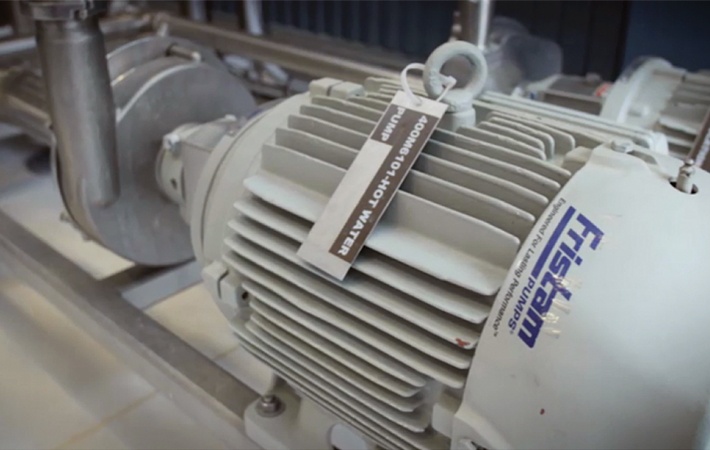
Fristam sanitary centrifugal pumps are engineered for durability, cleanability, and consistent performance in demanding environments such as dairy and food processing. Their design supports efficient maintenance, rebuilds, and performance upgrades, which makes them well-suited for refurbishment instead of replacement.
When maintained properly and rebuilt as needed, these pumps can deliver extended service life while continuing to meet strict sanitary standards.
Recovering asset value requires more than repairing a single component.
Crane Engineering service technicians evaluate the full system, including operating conditions, installation practices, and application requirements. This approach allows them to identify root causes and implement solutions that prevent repeat failures.
Services such as seal analysis, precision alignment, and system optimization are all focused on helping customers maximize the value of their existing equipment.
Replacing equipment will always be necessary in certain situations, but it should not be the first option considered. Refurbishment, combined with performance upgrades and proper maintenance practices, can deliver improved performance, longer equipment life, and lower total cost of ownership. It also allows facilities to enhance reliability without significant capital investment.
Before replacing equipment, it is worth evaluating what existing assets can achieve with the right support. If you are unsure whether your equipment is a good candidate for refurbishment, Crane Engineering can help.
Request a refurbish vs replace assessment to evaluate your current assets and identify opportunities to improve performance, extend service life, and reduce overall operating costs.
Headquarters and Service Center
Located outside Green Bay, WI
707 Ford St,
Kimberly, WI 54136,
United States
920-733-4425
OptiFlow Design and Build Center
1002 Truman St,
Kimberly, WI 54136,
United States
920-733-4425
Burnsville Service Center
12265 Nicollet Ave,
Burnsville, MN 55337,
United States
952-444-1949
Grand Rapids Service Center
26489 Industrial Blvd,
Cohasset, MN 55721,
United States
952-444-1949