




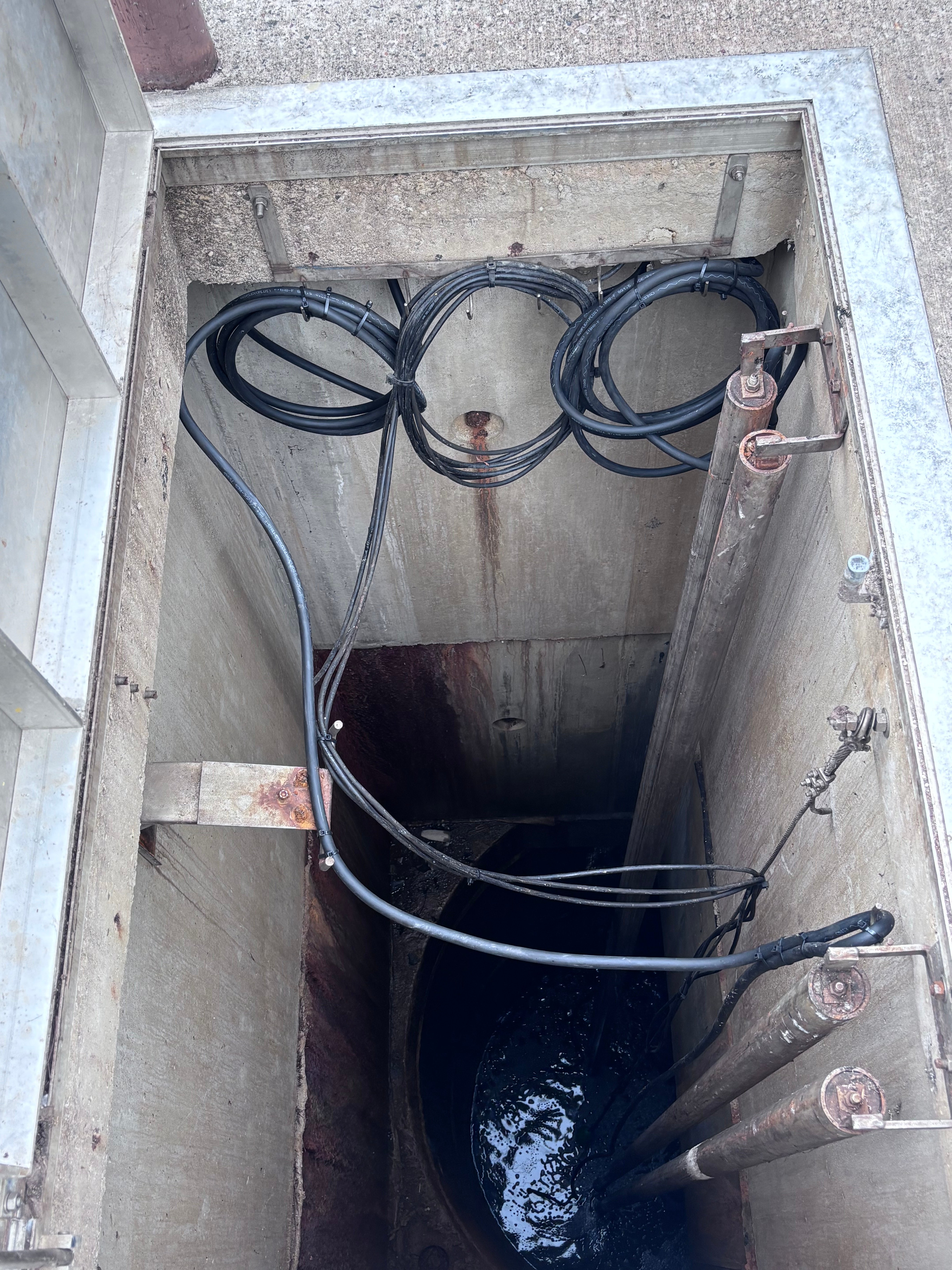



It’s 2:00 a.m. A lift station alarm goes off. A crew is called in, equipment is mobilized, and a submersible pump has to be pulled before anyone knows exactly what went wrong.
For wastewater operators, an emergency pump pull-out can mean more than an inconvenient night. It can mean unplanned downtime, additional labor, emergency repair costs, and equipment that is out of service when you need it most.
After years of inspecting, repairing, and rebuilding wastewater pumps, Crane Engineering’s service technicians know what to look for. From abrasive wear on impellers to rags and disposable wipes causing clogs, these problems can tell you a lot about what a pump is experiencing and whether it's still the right equipment for the application.
Wastewater isn't the same from one facility to the next. The amount and type of solids, abrasives, fibers, flow requirements, and operating conditions can all affect how a pump performs. The pump itself may be well-built, but if its hydraulic design or configuration isn't suited to what it's handling, it can be fighting an uphill battle from day one.
What is the pump handling? How abrasive is the wastewater? What types of solids and fibers are present? What flow and head conditions does the pump need to meet?
These are the kinds of questions that should be considered when selecting and servicing wastewater equipment. KSB's Amarex line, for example, offers different impeller and liquid-end configurations designed to handle different wastewater conditions. Options such as the D-max and F-max impellers are designed with solids and fibrous materials in mind, helping address some of the common challenges wastewater pumps face.

Even the right pump will experience wear over time. That's why routine inspection matters. A pump inspection is an opportunity to understand how the pump is operating, identify developing problems, and determine whether something about the application may be contributing to premature wear.
Here are some of the areas our service technicians pay close attention to.
1. Impeller Wear: Look at What's Going Through the Pump
One of the most common types of wear our technicians see is abrasive wear on the impeller. Grit and other abrasive materials can gradually wear down the impeller. As that happens, the pump may lose hydraulic performance and become less efficient at moving wastewater.
During an inspection, looking at the impeller can provide valuable information about how the pump has been operating. Excessive wear may indicate that the pump is regularly handling abrasive material or that the current configuration isn't the best fit for the application.

2. Clogging: It's More Than Just a Clogged Pump
Rags and disposable wipes are another common challenge our technicians encounter in wastewater pumps. These materials can wrap around an impeller, restrict flow, and contribute to recurring clogs. If a pump is repeatedly being pulled because of ragging, simply clearing the clog may not solve the underlying problem. It's worth asking why the pump is clogging in the first place.
Is the impeller designed to handle the type of material entering the system? Is the pump properly matched to the application? Is there an opportunity to improve the hydraulic design?
Modern wastewater streams can contain more stringy and non-flushable materials than older pump designs were intended to handle. That's one reason impeller design is such an important part of wastewater pump selection.
3. Mechanical Seals: Protect What's Inside
A mechanical seal has an important job: helping keep wastewater out of the motor. When a seal begins to fail, moisture can enter the motor housing and potentially lead to much more extensive damage. During an inspection, checking seal condition can help identify a developing problem before it turns into a motor failure.
Are any of these issues sounding familiar? Contact our service team for support.
4. Motor Insulation: Don't Wait for an Electrical Failure
Motor insulation testing can identify electrical deterioration before it results in an unexpected failure. Catching these issues during planned maintenance allows operators to address them before the pump is out of service unexpectedly.
That's one of the biggest advantages of preventive service: you have more options when you find a problem before the pump fails.

When a pump comes into the shop, replacing the failed component is only part of the job. At Crane Engineering, our service technicians look at the bigger picture. If an impeller is badly worn, what caused the wear? If a pump keeps clogging, is the problem what's entering the wet well, or is the pump configuration contributing to it? If a pump is experiencing premature wear, is it operating in conditions it wasn't designed for? Those questions matter because fixing the symptom doesn't necessarily prevent the problem from coming back.
Crane Engineering's service team focuses on identifying the root cause behind failures and providing recommendations that can help extend equipment life and improve reliability. That's the difference between making a pump run again and helping a customer get more reliable performance from the equipment.
KSB pumps and mixers are engineered for demanding applications. That engineering deserves to be backed by technicians who understand how the equipment was designed to operate. 
Crane Engineering's technicians are specifically trained on KSB equipment, including the Amarex line. In February 2026, our team completed additional KSB training to strengthen their knowledge of the technology, its components, and proper service practices.
A Little Preventive Maintenance Can Go a Long Way
Routine inspections can't eliminate every wastewater pump failure. But they can help operators get ahead of problems that might otherwise result in an emergency pull-out.
A proper inspection can help you:
For a premium, highly engineered pump like KSB's Amarex, proper service is an important part of protecting that investment. Whether you're managing a municipal lift station or an industrial wastewater system, Crane Engineering can help you inspect, service, and optimize your submersible pumping equipment.
Don't wait for the 2 a.m. alarm to find out something isn't right. Contact Crane Engineering to schedule a submersible pump inspection.
Headquarters and Service Center
Located outside Green Bay, WI
707 Ford St,
Kimberly, WI 54136,
United States
920-733-4425
OptiFlow Design and Build Center
1002 Truman St,
Kimberly, WI 54136,
United States
920-733-4425
Burnsville Service Center
12265 Nicollet Ave,
Burnsville, MN 55337,
United States
952-444-1949
Grand Rapids Service Center
26489 Industrial Blvd,
Cohasset, MN 55721,
United States
952-444-1949