


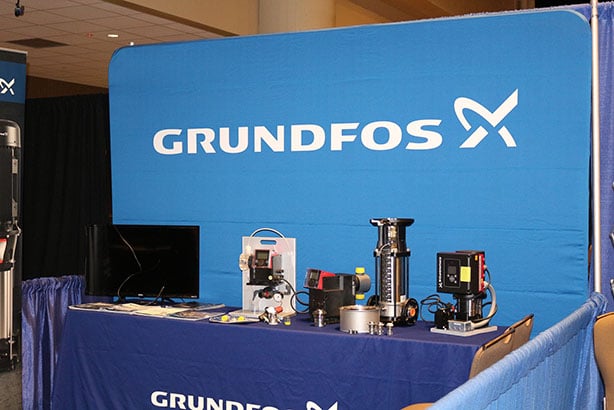


Pump efficiency can decline over time due to hydraulic wear, worn bearings, improper alignment, changing operating conditions, and delayed maintenance. This blog explores five common causes of energy loss in pumping systems and how routine inspections, proper maintenance, and equipment evaluations can help restore performance and reduce operating costs.
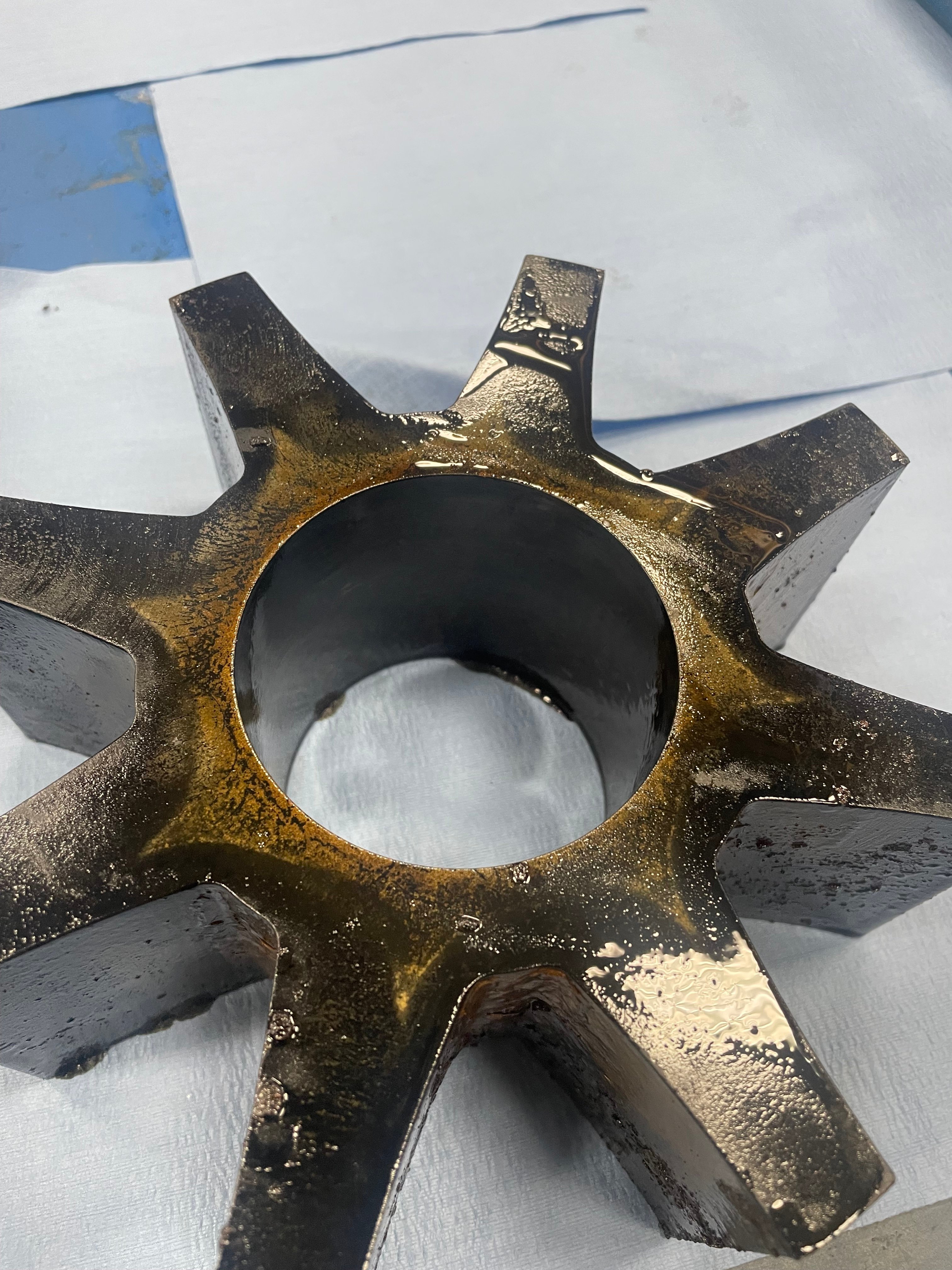
A pump's hydraulic components generate the flow and pressure required by an application. Over time, impellers, wear surfaces, and internal clearances can deteriorate, allowing fluid to recirculate internally rather than contribute to useful output. As hydraulic efficiency declines, the pump may require more power to achieve the same results.
Reduced flow, changes in discharge pressure, and increased power consumption can indicate internal wear. Regular inspections help identify these issues and determine whether repairs or component replacement could restore performance.
Bearings support rotating components and maintain smooth pump operation. As they wear, friction, vibration, and mechanical stress can increase, contributing to power losses and additional strain on other components.
Changes that affect bearing condition:
If you notice increased noise, vibration, and operating temperatures, it may indicate a developing issue. Addressing these warning signs early can help prevent more extensive damage.

When a motor and pump are not properly aligned, additional forces transfer through the shaft and bearings. This can increase vibration, accelerate component wear, and contribute to premature seal and bearing failure.
Installation conditions matter, too. Improper piping support and excessive strain on connections can introduce unnecessary mechanical stress. Identifying and correcting these issues helps protect equipment.
Every centrifugal pump has a Best Efficiency Point (BEP), where it converts input power into useful hydraulic output most efficiently. Operating too far from this point can reduce efficiency and increase mechanical stress.
Changes in system demand, improperly sized equipment, excessive throttling, and piping modifications can all affect operating conditions. For example, restricting flow with a discharge valve introduces additional resistance and can increase energy consumption.
Comparing actual flow, pressure, and power measurements against the manufacturer's pump curve can help determine whether equipment is operating as intended or if adjustments are needed.
A pump that continues running may not receive attention until something fails, even when signs of declining performance have been present for months. Routine inspections, vibration monitoring, lubrication checks, and performance measurements help identify developing issues before they become larger problems.
For equipment that operates continuously, small performance losses can add up over time. Preventive maintenance is key to avoiding premature downtime and maintaining efficiency throughout the pump's service life.
Getting More Out of Your Existing Pumping Equipment
Improving pump efficiency doesn't always require purchasing new equipment. Addressing existing mechanical and hydraulic issues can help restore performance and reduce unnecessary energy consumption.
Consider Grundfos vertical multistage pumps, commonly used in pressure boosting, water supply, and industrial applications. While these pumps are designed for efficient operation, their condition and operating environment play an important role in long-term performance.
Crane Engineering's experienced technicians evaluate pump condition, identify potential sources of performance loss, and recommend service solutions based on the equipment and application. This may include inspecting hydraulic components, evaluating bearing condition, checking alignment, and reviewing operating conditions.
The goal is to look beyond whether equipment is running and understand how well it's performing. Identifying hidden inefficiencies can help facilities make better maintenance decisions, extend equipment life, and uncover opportunities to reduce energy costs.
Is your pumping equipment operating as efficiently as it could be?
Request an Efficiency Assessment from Crane Engineering to uncover potential energy losses and find ways to get more out of your equipment.
Headquarters and Service Center
Located outside Green Bay, WI
707 Ford St,
Kimberly, WI 54136,
United States
920-733-4425
OptiFlow Design and Build Center
1002 Truman St,
Kimberly, WI 54136,
United States
920-733-4425
Burnsville Service Center
12265 Nicollet Ave,
Burnsville, MN 55337,
United States
952-444-1949
Grand Rapids Service Center
26489 Industrial Blvd,
Cohasset, MN 55721,
United States
952-444-1949