




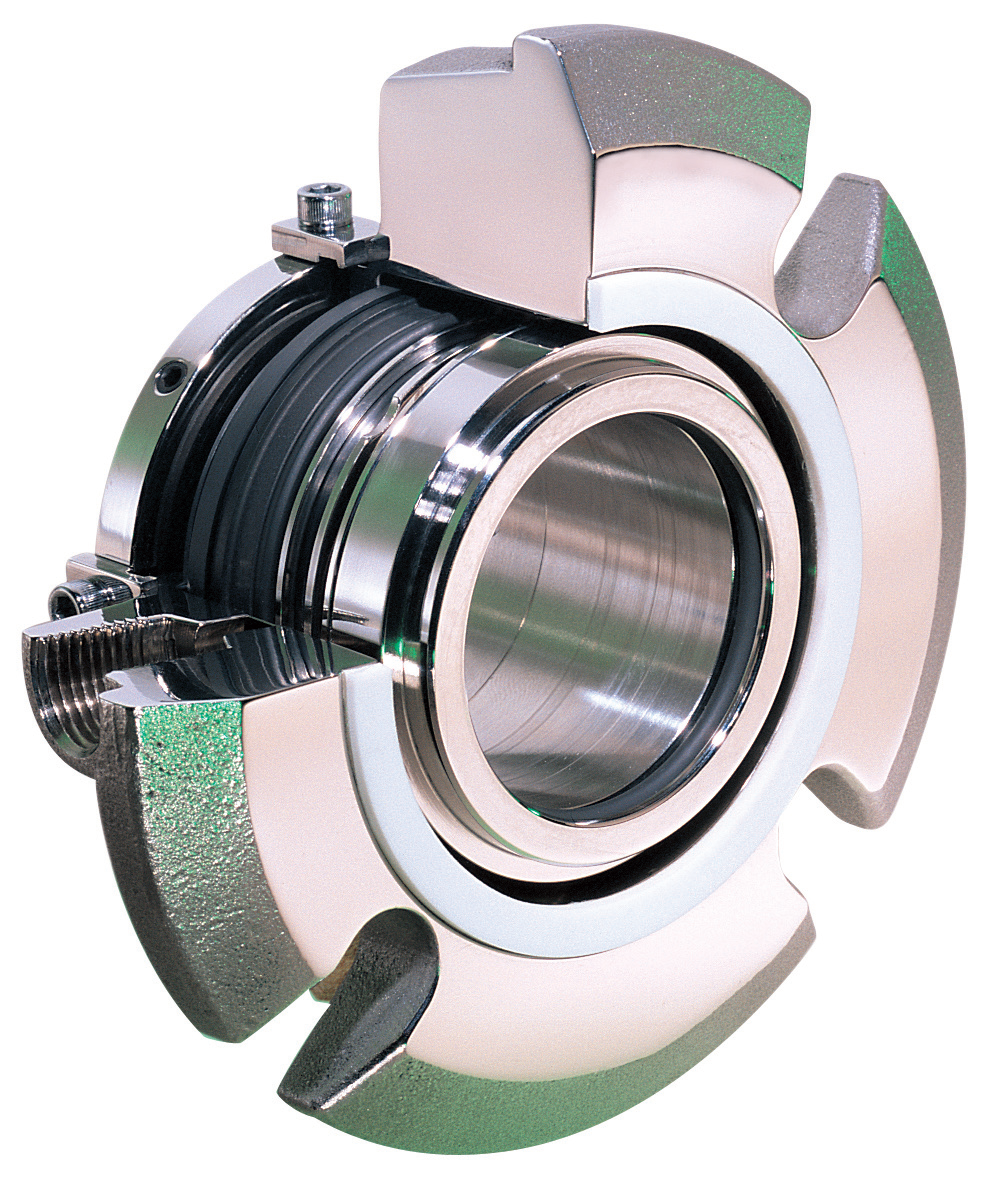


Mechanical seal failures are one of the most common and frustrating issues in pump systems. A seal starts leaking. It gets replaced. The pump goes back into service. Then it fails again.
At that point, it is easy to blame the seal. 
In reality, most seal failures are not caused by defective components. They are caused by conditions around the seal that were never addressed in the first place. If your facility is replacing seals more often than expected, especially on high-quality products like John Crane mechanical seals, the issue is almost always deeper than the seal itself.
Mechanical seals are designed to operate within very specific conditions. When those conditions are met, they are extremely reliable. When they are not, even the best seal will fail prematurely. Some of the most common causes include:
Improper flush plans
Seal flush systems are critical for controlling temperature, removing contaminants, and maintaining lubrication at the seal faces. Incorrect or poorly maintained flush plans lead to overheating and rapid wear.
Contamination
Solids, debris, or chemical buildup in the fluid can damage seal faces and disrupt proper sealing. Even small amounts of contamination can shorten seal life.
Heat buildup
Excessive heat is one of the fastest ways to damage a mechanical seal. This often comes from poor lubrication, dry running conditions, or operating outside of intended parameters.
Misapplication
Not all seals are designed for every process. Fluid properties, pressure, temperature, and operating conditions all play a role in selecting the right seal.
Installation and alignment issues
Even a properly selected seal can fail quickly if it is not installed correctly or if the pump is misaligned.
Many maintenance teams are stuck in a cycle of replacing seals without ever addressing why they are failing.
A new seal may temporarily solve the issue, but if the underlying conditions remain the same, the failure will repeat. This is where the difference between a repair vendor and a true service partner becomes clear.

Crane Engineering technicians do not just replace seals. They evaluate the full operating environment around the seal. 
That includes the pump, the process, and the system conditions that influence seal performance.
When Crane technicians evaluate a seal issue, they are looking beyond the component itself. They assess:
This level of analysis allows them to identify the true cause of the failure and recommend changes that improve long-term reliability. In many cases, the solution is not replacing the seal. It is adjusting the system so the seal can operate the way it was designed to.
Facilities invest in high-quality sealing solutions for a reason. Products from manufacturers like John Crane are engineered for demanding applications. But performance in the field depends on more than the product.
It depends on how well that product is applied, installed, and supported over time. This is where experienced technicians make a measurable difference.
Crane’s service team works with mechanical seals every day across a wide range of industries and applications. They understand how small changes in process conditions can impact seal life. They know what to look for and how to correct it. That expertise helps extend seal life, reduce unplanned downtime, and lower overall maintenance costs.
If your team is replacing mechanical seals more often than expected, it is worth asking a simple question. Are you fixing the seal, or are you fixing the problem?
Recurring failures are rarely random. They are signals that something in the system needs attention. The right service approach identifies those signals early and addresses them before they lead to another failure.
A seal that fails once is a repair. A seal that fails repeatedly is a pattern.
Request a Seal Performance Review with Crane Engineering. Our technicians will evaluate your equipment, your process, and your operating conditions to help you move from repeated repairs to reliable performance.
Headquarters and Service Center
Located outside Green Bay, WI
707 Ford St,
Kimberly, WI 54136,
United States
920-733-4425
OptiFlow Design and Build Center
1002 Truman St,
Kimberly, WI 54136,
United States
920-733-4425
Burnsville Service Center
12265 Nicollet Ave,
Burnsville, MN 55337,
United States
952-444-1949
Grand Rapids Service Center
26489 Industrial Blvd,
Cohasset, MN 55721,
United States
952-444-1949